What influenced the career of Albert Pujols

Introduction
Albert Pujols is widely regarded as one of the greatest hitters in the history of Major League Baseball, a player whose statistical dominance redefined the standards for modern corner infielders. Understanding what influenced his career requires looking beyond mere box scores to the cultural, familial, and psychological foundations that shaped his approach to the game. His journey from the Dominican Republic to the pinnacle of professional sports serves as a roadmap for excellence and discipline.
Analyzing these influences is essential for fans, aspiring athletes, and historians who wish to understand the mechanics of greatness. By examining the structural elements of his upbringing and the professional environments that nurtured his talent, we gain insight into how a combination of natural ability and rigorous preparation produces a generational talent. This article explores the key pillars that defined his path to the Hall of Fame.
Cultural and regional roots
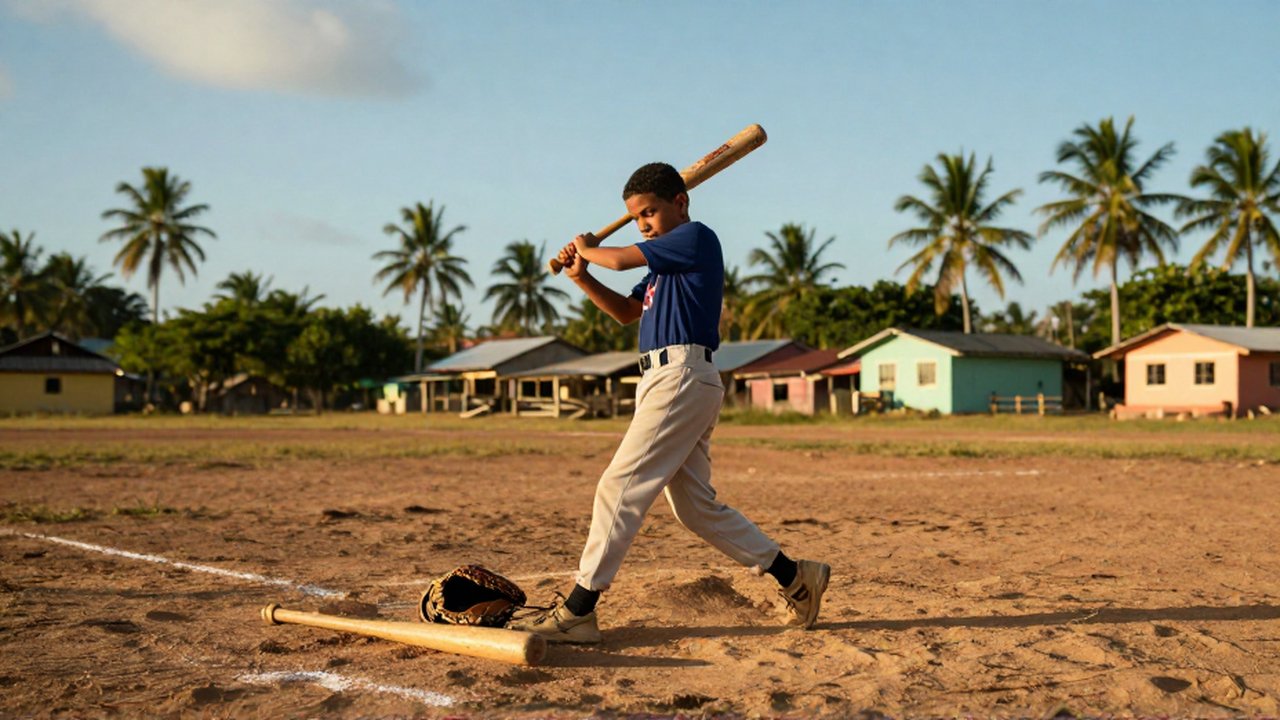
The primary influence on Albert Pujols' career was his origin in the Dominican Republic, a nation with a profound cultural connection to baseball. Growing up in an environment where baseball is not just a sport but a central pillar of social identity provided him with an early immersion in the game's nuances. This regional upbringing instilled a deep understanding of the competitive nature of the sport and a relentless drive to succeed.
In the Dominican Republic, baseball serves as a primary avenue for social mobility. This reality added a layer of profound motivation to his training. The scarcity of resources often found in grassroots baseball programs in the Caribbean fosters a specific type of resilience and "street smarts" regarding the game. Pujols benefited from this competitive atmosphere, learning to adapt to various pitching styles and playing conditions from a very young age.
Family values and personal discipline
Behind the professional success of Pujols lies a foundation of strong family values and religious faith. His family provided the emotional stability and moral framework necessary to navigate the intense pressures of professional athletics. This stability allowed him to maintain focus on his performance while managing the distractions that often affect high-profile athletes.
Spirituality and discipline were not mere secondary traits; they were integral to his daily routine and decision-making processes. His commitment to a structured lifestyle helped him maintain peak physical condition and a consistent mental approach, even during the grueling 162-game Major League schedule. This discipline is often cited as a distinguishing factor between talented players and true legends.
Professional development and mentorship

The transition from an international prospect to a Major League superstar was influenced by the technical coaching and organizational structures he encountered during his early professional years. The way he was taught to approach hitting—combining strength with exceptional hand-eye coordination—became the hallmark of his career.
His development can be categorized by several key professional factors:
- Technical fundamentalism: A focus on a compact, efficient swing that minimized errors and maximized contact.
- Physical conditioning: An early adoption of rigorous training regimens that allowed him to remain productive well into his veteran years.
- Mental toughness: The ability to perform under high-leverage situations, a trait cultivated through years of high-stakes competition.
The impact of major league environments
The teams Pujols played for played significant roles in shaping his legacy. His early years in a winning culture allowed him to establish himself as a cornerstone player, while his later years provided opportunities to showcase his longevity and ability to adapt to different roles within a roster.
The competition he faced throughout his career also acted as a constant influence. Playing in an era characterized by high-velocity pitching and advanced analytical scouting forced him to constantly evolve his approach at the plate. Instead of relying solely on brute strength, he integrated a more sophisticated understanding of pitcher tendencies and pitch sequencing, allowing him to stay relevant across different eras of the game.
Frequently asked questions
How did his Dominican heritage affect his playing style? His upbringing in the Dominican Republic provided him with a high level of natural instinct and a competitive mindset shaped by the intense, community-driven baseball culture of the region.
What role did discipline play in his longevity? Consistent physical training and a highly structured lifestyle allowed him to maintain high levels of production and physical health over a very long professional career.
Was his success primarily due to talent or hard work? While his natural talent was undeniable, his career is widely viewed as a product of extreme discipline, rigorous preparation, and a mental approach to the game that prioritized consistency.
Leave a Reply