Essential features of long distance running shoes
Introduction
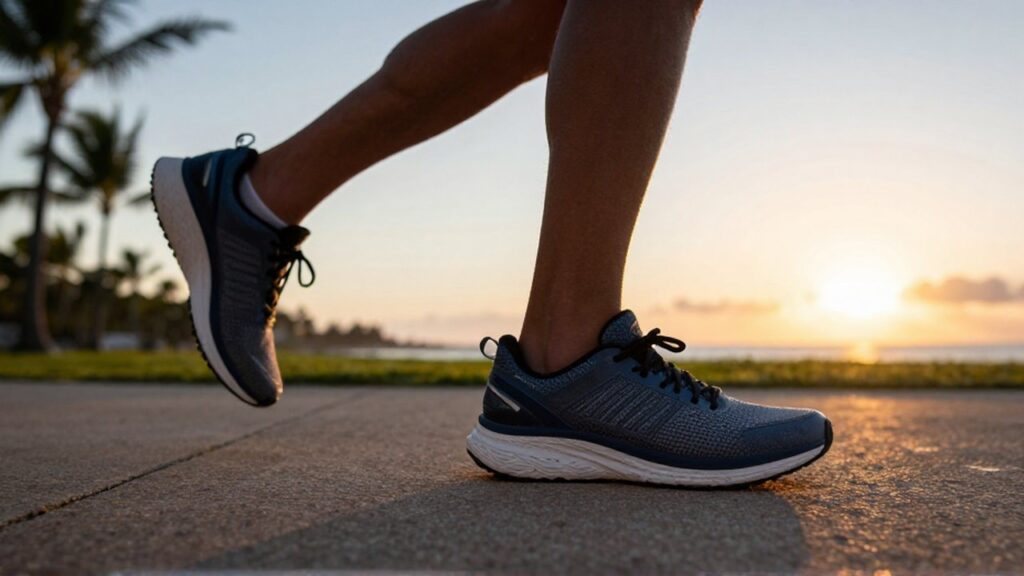
Long-distance running places repetitive, high-impact stress on the feet, ankles, and joints over extended periods. Selecting the right footwear is not merely a matter of style or comfort; it is a critical decision for injury prevention and performance optimization. The right shoes act as a specialized tool designed to manage the mechanical forces generated during every stride, helping runners maintain efficiency as fatigue sets in.
When training for marathons, half-marathons, or long endurance sessions, the requirements of the shoe shift from simple lightness to consistent support and protection. Understanding the specific characteristics of long-distance footwear allows runners to make informed choices that align with their unique biomechanics. This guide explores the fundamental features that define a high-quality long-distance running shoe.
Cushioning and shock absorption

The most vital feature of a long-distance shoe is its ability to mitigate impact. As mileage increases, the accumulated force on the musculoskeletal system can lead to overuse injuries such as shin splints or stress fractures. High-quality cushioning is designed to absorb the energy from the ground strike and distribute it more evenly across the foot.
Midsole technology plays the primary role here. Most modern long-distance shoes utilize specialized foam compounds that balance softness with responsiveness. While a very soft cushion provides excellent comfort for slow recovery runs, a slightly firmer, more responsive cushion can help maintain energy return during faster training sessions. The goal is to find a level of protection that reduces fatigue without making the shoe feel "mushy" or unstable.
Stability and structural support
While cushioning handles impact, stability manages the way the foot moves through the gait cycle. Every runner has a unique pronation pattern—the inward or outward roll of the foot upon impact. Long-distance shoes often incorporate structural elements to manage this movement.
For runners who experience excessive pronation (overpronation), stability shoes often feature medial posts or firmer foam on the inner side of the shoe to prevent the arch from collapsing. Conversely, neutral shoes are designed for those with a more stable gait, focusing on comfort and flexibility. Even for neutral runners, a certain level of structural integrity is necessary in long-distance models to prevent the foot from wobbling as the muscles tire toward the end of a long run.
Durability and outsole construction
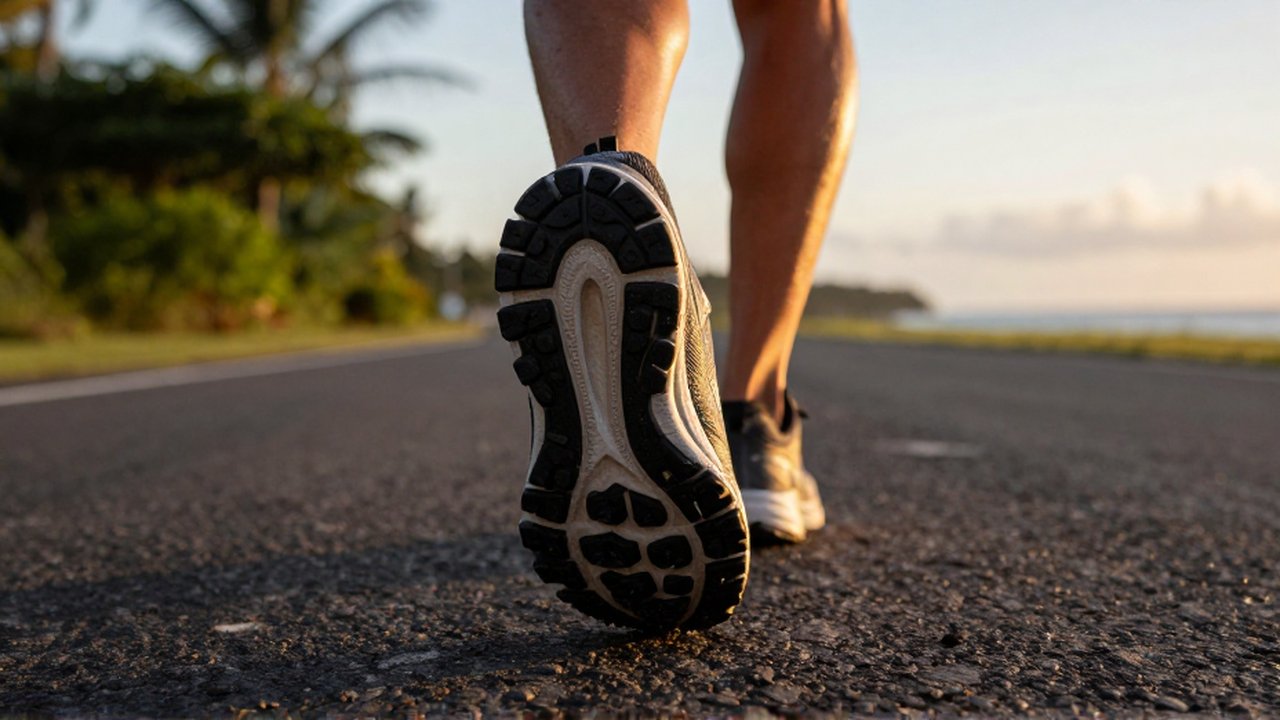
Long-distance training involves high cumulative mileage, which means the outsole must be built to withstand significant abrasion. The outsole is the bottom layer of the shoe that makes contact with the ground, typically made of durable rubber compounds.
A well-constructed long-distance shoe will have:
- Strategic rubber placement: High-wear areas, such as the heel and the forefoot, should have thicker rubber coverage.
- Tread patterns: The pattern should provide consistent traction on various surfaces, such as asphalt or light gravel, to prevent slipping.
- Midsole longevity: The foam should be resilient enough to maintain its shape and cushioning properties over hundreds of kilometers.
Using a lightweight racing shoe intended for short bursts for daily long-distance training is a common mistake, as the thinner materials often wear out much faster than dedicated endurance models.
Fit and upper breathability
The upper part of the shoe, or the "upper," is responsible for securing the foot in place and managing temperature. During long runs, feet naturally swell due to increased blood flow and repetitive impact. Therefore, a shoe designed for distance must accommodate this volume change.
An appropriate fit should provide enough room in the toe box to prevent bruising or blisters, while the midfoot remains securely locked down to prevent the foot from sliding inside the shoe. Breathable mesh materials are essential to allow heat to escape, helping to regulate foot temperature and reduce the risk of friction-induced issues like hot spots or blisters.
Common questions about long distance footwear
How often should I replace my long distance running shoes? While it depends on individual gait and mileage, most running shoes begin to lose their cushioning effectiveness after several hundred kilometers. If you notice a decrease in comfort or increased muscle soreness, it may be time for a new pair.
Can I use standard trainers for long distance runs? Standard trainers can work for shorter distances, but dedicated long-distance shoes generally offer superior cushioning and structural support designed to handle the increased fatigue associated with higher mileage.
Is more cushioning always better for long runs? Not necessarily. Excessive cushioning can sometimes feel unstable or heavy. The ideal amount of cushioning depends on your body weight, your running style, and whether you prefer a soft feel or a more responsive, energetic sensation.
Should I buy shoes larger than my normal size? It is often recommended to have a bit of extra space in the toe box. Since feet swell during long-distance efforts, a shoe that feels slightly roomy initially may provide a much more comfortable fit during the latter stages of a long run.
Leave a Reply