History of the Dominican Winter League professional teams
Introduction
The Dominican Winter League, known locally as La Liga de Béisbol Profesional de la República Dominicana (LIDOM), represents the pinnacle of Caribbean baseball excellence. For decades, this league has served as a vital stage where Major League Baseball stars refine their skills during the off-season and local legends cement their legacies. Understanding the history of its professional teams is essential for any baseball enthusiast, as these franchises are more than just sports clubs; they are cultural institutions that embody regional identity and passion.
Tracing the evolution of these teams reveals a complex narrative of competition, transformation, and growth. From the early amateur roots to the highly structured professional era, the Dominican clubs have developed intense rivalries that drive the league's popularity. This history provides context for the modern landscape of Dominican baseball, explaining how specific cities and fanbases became synonymous with championship glory and sporting tradition.
Origins and evolution of the league teams
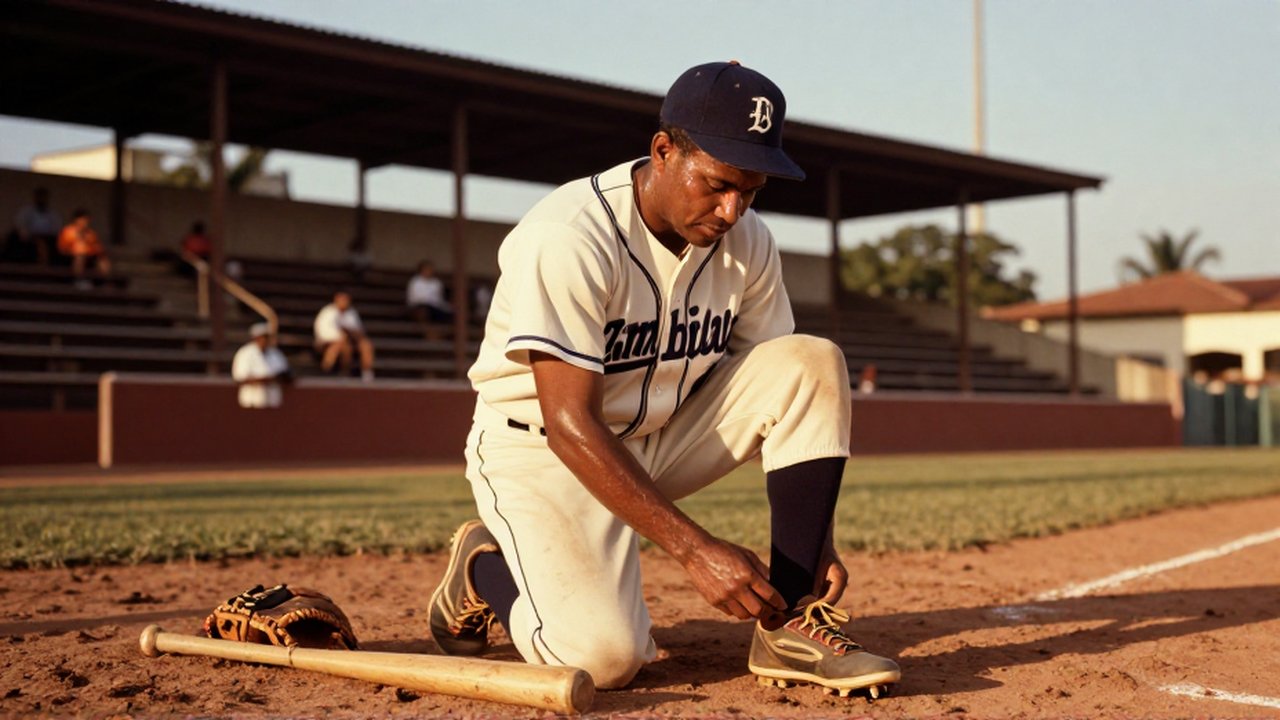
The foundations of professional baseball in the Dominican Republic were laid long before the modern era of LIDOM. In the early 20th century, baseball moved from a recreational activity to an organized competitive structure. The league as it is recognized today began to take shape through several iterations of professionalization, as teams moved from local metropolitan tournaments to a centralized national league structure.
During the middle of the 20th century, the league underwent significant تنظيم (organization) to stabilize franchises. This period saw the birth of the legendary rivalries that define the league today. Teams were established in key urban hubs, primarily in Santo Domingo and Santiago, creating a geographical tension that fueled fan engagement. As the league grew, the clubs transitioned from loosely organized groups of players into professional entities with dedicated management, coaching staffs, and massive scouting networks.
The founding members and their legacy
The history of the league is best understood through the lens of its most iconic franchises. While teams have entered and exited the league over the decades, several names remain permanent fixtures of the Dominican baseball landscape.
- Tigres del Licey: One of the oldest and most successful franchises, Licey has built a reputation as a powerhouse. Based in the capital, Santo Domingo, they are known for their massive fanbase and their ability to consistently compete for championships through various eras of Dominican baseball.
- Águilas Cibaeñas: Representing the Cibao region, specifically Santiago, the Águilas are the primary rivals of Licey. Their history is defined by a fierce regional pride and a period of intense dominance that helped elevate the league's competitive standard.
- Estrellas Orientales: Based in San Pedro de Macorís, this team carries the weight of a city known as a "factory" of baseball talent. Their history is deeply tied to the local community's identity and their role in developing international stars.
- Toros del Este: Representing La Romana, this franchise brought a new level of professional rigor to the league in more recent decades, helping to expand the league's footprint beyond the traditional powerhouses.
Impact of regional rivalries on league growth
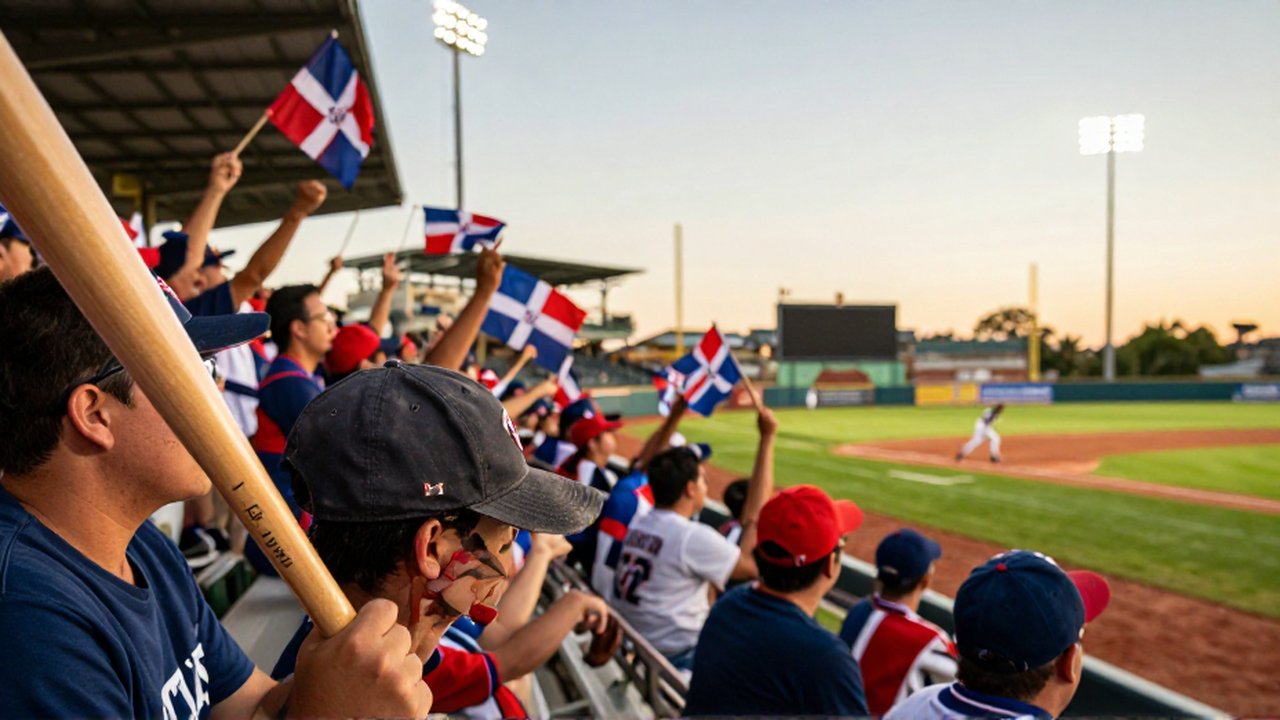
The development of the Dominican Winter League cannot be separated from the intense rivalries between its teams. These matchups are not merely games; they are high-stakes battles for regional supremacy. The most significant rivalry is between the Tigres del Licey and the Águilas Cibaeñas, often referred to as the "Clásico Dominicano."
This rivalry has been a primary driver for the league's commercial and social success. When these teams meet, attendance reaches its peak, viewership surges, and the atmosphere in the stadiums becomes electric. This competition forced teams to invest more heavily in player development, stadium infrastructure, and scouting, which ultimately benefitted the entire ecosystem of Dominican baseball. The "capital vs. the interior" dynamic has created a narrative structure that keeps fans engaged throughout the entire winter season.
Structural changes and modernization
As the sport evolved globally, the Dominican Winter League teams had to adapt to survive and thrive. The transition from a localized league to a professionalized organization involved several critical updates:
- Management Professionalization: Teams moved from being run by enthusiasts to being managed by professional executives and sports directors.
- Integration with MLB: The relationship between Dominican teams and Major League Baseball became formalized, allowing for a constant influx of high-level talent and improved training facilities.
- Stadium Infrastructure: The transition from basic fields to modern, high-capacity stadiums allowed for better spectator experiences and increased revenue through broadcasting and sponsorships.
- Standardized Scouting: The professionalization of teams allowed them to implement more rigorous methods for identifying and developing local talent.
Frequently asked questions
Which team has historically been the most successful in the league? While success is measured in various ways, the Tigres del Licey and the Águilas Cibaeñas are widely recognized as the most successful franchises due to their high number of championship titles and historical consistency.
How do the teams interact with Major League Baseball? LIDOM teams function as a high-level developmental environment. Many MLB players use these teams to regain rhythm after injuries or to improve their performance, while local players use the opportunity to showcase their skills to international scouts.
Why is the rivalry between Licey and Águilas so important? This rivalry represents the cultural and regional divide between the capital, Santo Domingo, and the Cibao region. It is the primary commercial engine of the league and ensures high engagement from fans nationwide.
Do team locations affect their fanbases? Yes, team identity is deeply rooted in geography. Fans typically support the team that represents their province or region, which fosters a sense of communal identity and intense local pride.
Leave a Reply