What is the history of running competitions in Dominican Republic
Introduction
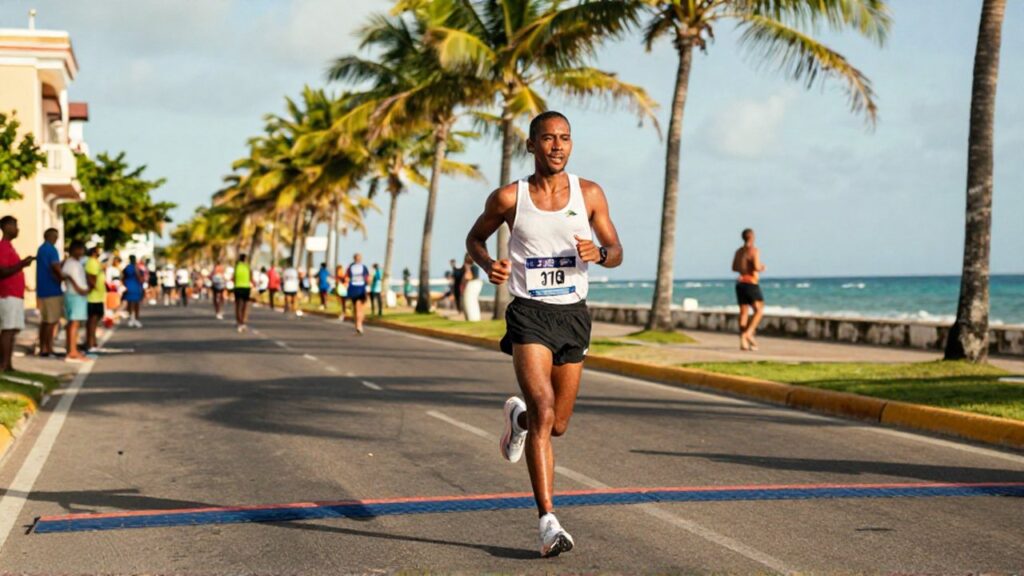
The history of running competitions in the Dominican Republic is a narrative of evolution from informal community activities to highly organized national and international athletic events. Understanding this progression is essential for athletes, sports historians, and enthusiasts who wish to grasp how running became a structured discipline in the Caribbean. This topic provides context on how the nation transitioned from general physical education toward specialized competitive racing.
Tracing this history allows us to see how infrastructure, government support, and international influence shaped the current landscape of track and field and road racing. It matters because the growth of these competitions reflects the broader development of sports culture and the increasing professionalization of Dominican athletics on a global scale.
Early roots of athletic activity
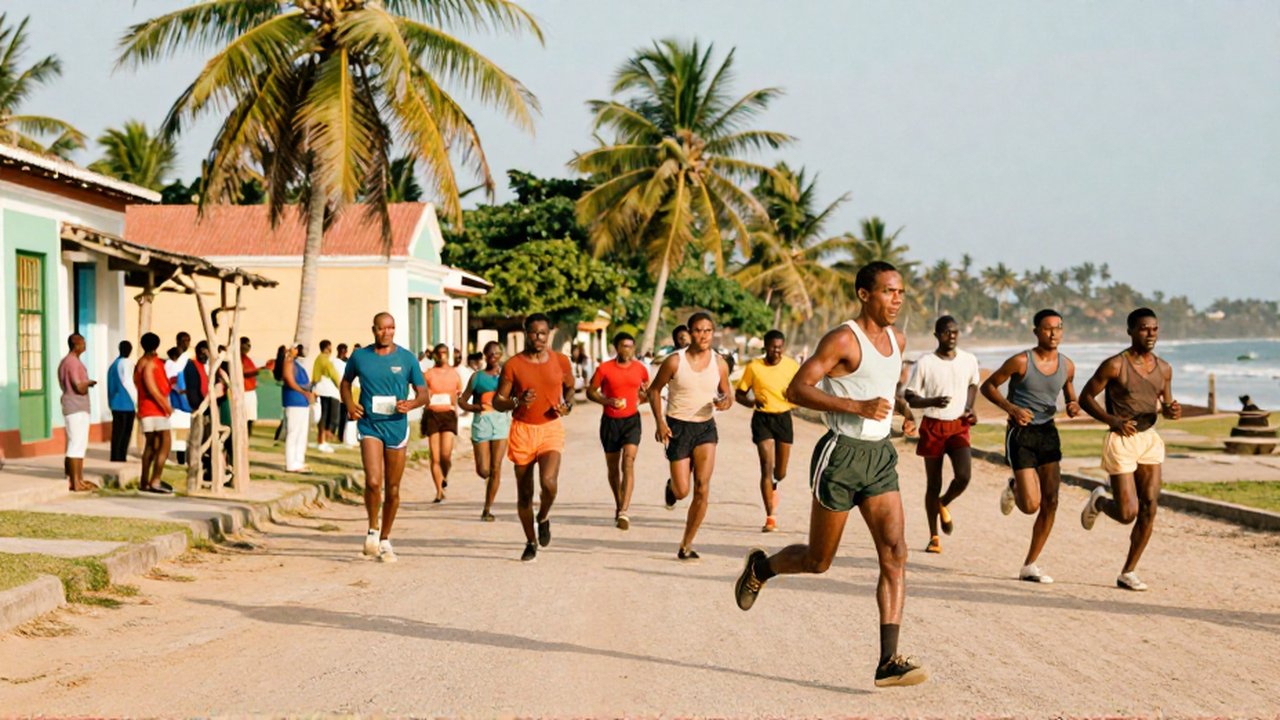
In the early decades of the 20th century, running in the Dominican Republic was not a standalone professional industry but was largely integrated into school physical education and military training. Most athletic activities were localized, occurring within specific schools or community groups during festive or national celebrations. These early instances lacked the standardized timing, international regulations, and specialized courses that define modern running.
As the country began to modernize its educational systems, organized physical education became a cornerstone of student development. This era established the foundational interest in speed and endurance among the youth. While these were not "competitions" in the modern commercial sense, they served as the primary scouting ground for talent and created a cultural appreciation for track-based disciplines.
The formalization of track and field
The transition from informal school runs to formal competitions was driven by the establishment of national sports federations. The formalization of athletics required the adoption of international standards, such as those set by global governing bodies. This period saw the emergence of organized track meets, where athletes could compete for official rankings and regional recognition.
During this developmental phase, several key factors contributed to the professionalization of the sport:
- Standardization of venues: The construction of dedicated athletic stadiums allowed for regulated track lengths and surfaces.
- Institutional support: The creation of national sports institutes provided a framework for funding and organizing national championships.
- International integration: Dominican athletes began participating in regional games, which forced the local competitive scene to adopt stricter rules and timing protocols.
Evolution of road racing and marathons
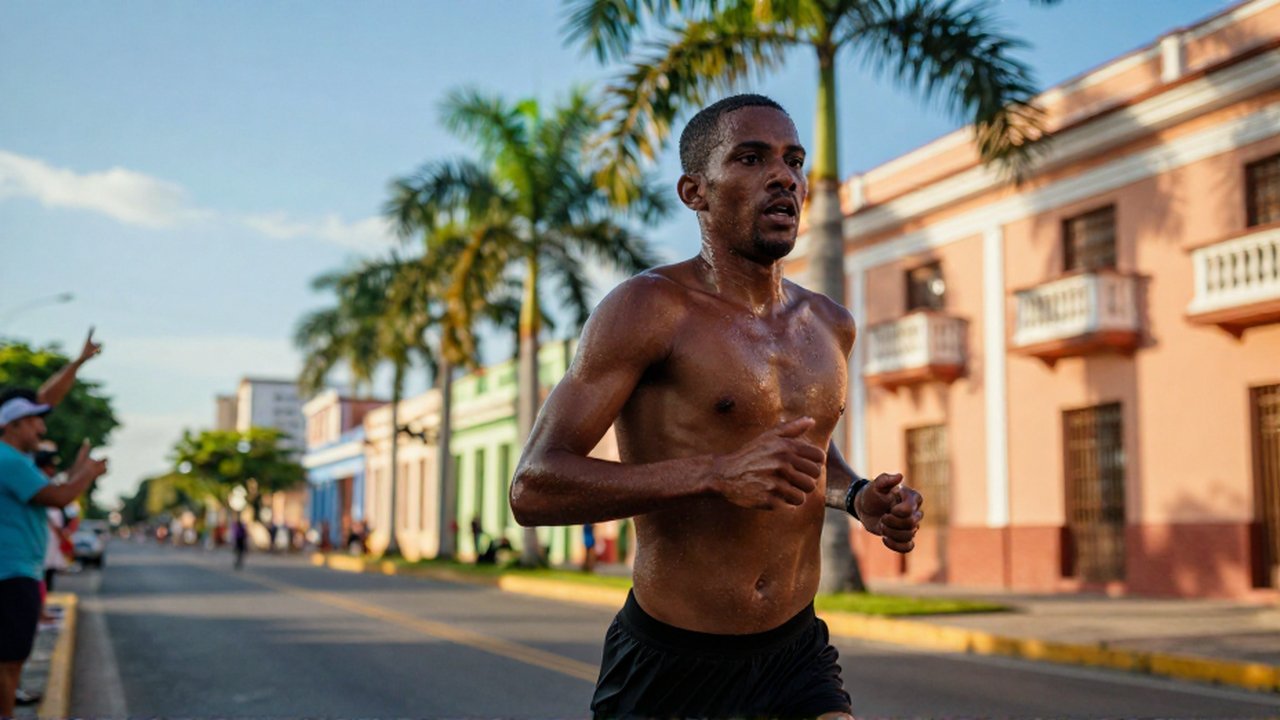
While track and field provided the technical foundation, the most visible growth in running competitions occurred on the streets. The rise of road racing, including half-marathons and full marathons, transformed running from an elite athletic pursuit into a mass participation phenomenon. This shift brought together professional runners and thousands of amateur enthusiasts.
The introduction of large-scale urban races changed the economy of sports in the country. These events required sophisticated logistics, including city-wide permits, hydration stations, security, and medical support. The popularity of these races has turned certain urban routes into iconic landmarks for runners, fostering a community of "running clubs" that are essential to the country's fitness culture today.
Impact of international influence and globalization
The globalization of sports has had a profound impact on the Dominican running scene. As international marathon circuits and athletic meets became more accessible, Dominican runners were exposed to higher levels of competition and more advanced training methodologies. This exposure helped bridge the gap between local talent and international standards.
The presence of international sporting events hosted in the Caribbean has also served as a catalyst. When the country hosts or participates in major regional championships, it prompts improvements in training facilities and organizational expertise. This cycle of competition and improvement has helped elevate the prestige of Dominican runners, particularly in long-distance and middle-distance categories, allowing them to compete more effectively on the world stage.
Common questions about running history in the DR
How did running start in the Dominican Republic? It began as part of school physical education and military training, evolving from informal local activities into structured national competitions over several decades.
What distinguishes track running from road racing in the country? Track running is traditionally tied to formal athletic federations and stadium-based events, whereas road racing focuses on mass participation, urban routes, and long-distance challenges like marathons.
Why has road racing become so popular? Road racing gained popularity because it lowered the barrier to entry, allowing amateur enthusiasts and fitness lovers to participate in organized events alongside professional athletes.
Does the government support running competitions? Yes, the development of running has been supported by national sports institutions that help organize championships and provide the structural framework for athletic development.
Leave a Reply