Effects of dehydration on professional athletic performance
Introduction
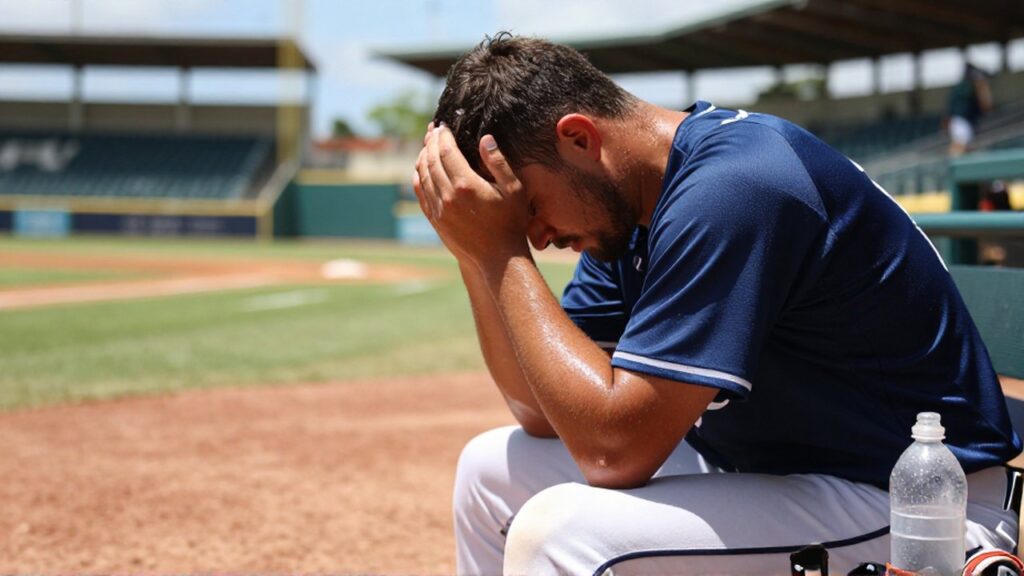
Dehydration occurs when the body loses more fluids than it takes in, disrupting the delicate balance of electrolytes and water necessary for biological functions. For professional athletes, maintaining fluid homeostasis is not merely a matter of comfort but a fundamental requirement for peak physiological output. Even a minor deficit in body water can trigger a cascade of negative effects that compromise the integrity of training sessions and competitive matches.
Understanding the relationship between hydration and performance is essential for athletes, coaches, and sports scientists. This topic matters because fluid loss directly influences blood volume, temperature regulation, and cognitive function. In high-intensity sports such as baseball, volleyball, or long-distance running, the ability to sustain effort depends heavily on how well the body manages its internal hydration levels under physical stress.
Physiological impact on physical capacity
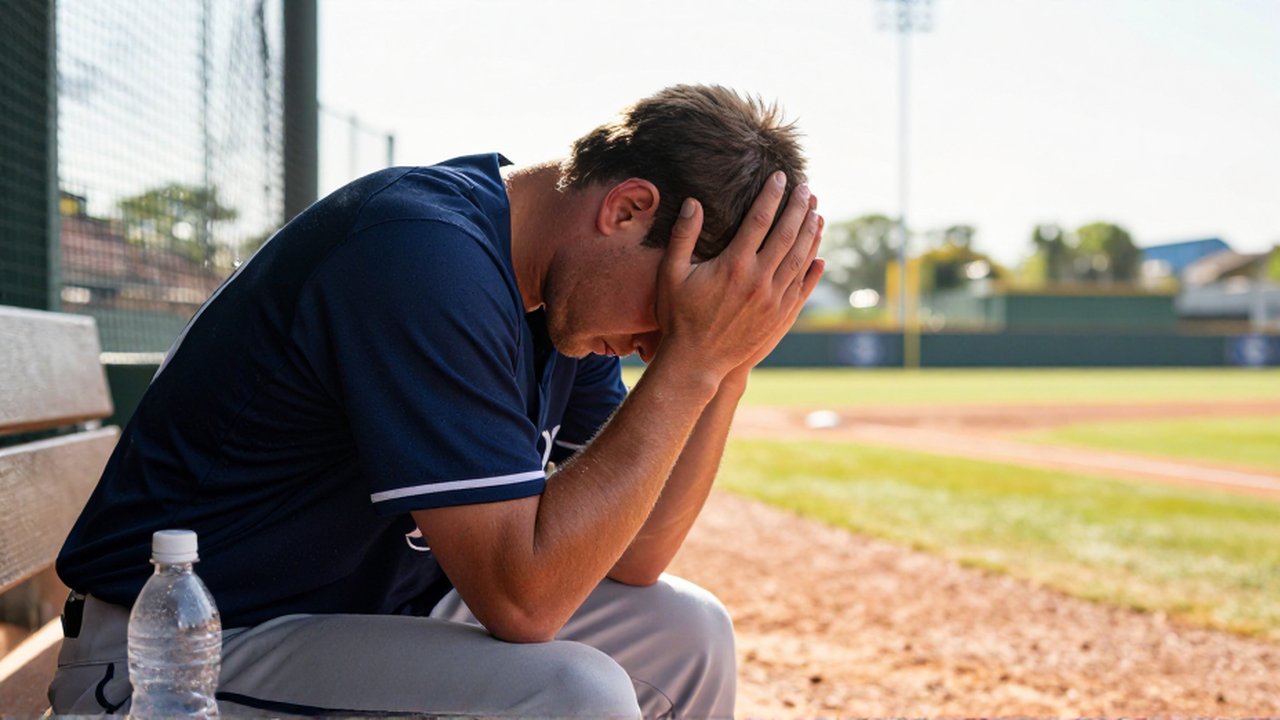
When an athlete becomes dehydrated, the most immediate consequence is a reduction in total blood volume. As the bloodstream becomes more viscous, the heart must work harder to pump blood through the circulatory system to deliver oxygen and nutrients to working muscles. This increased cardiovascular strain often manifests as an elevated heart rate, even when the intensity of the exercise remains constant.
The loss of fluids also impairs the body's primary cooling mechanism: thermoregulation. Sweat evaporation is the most effective way for an athlete to dissipate heat during intense activity. When dehydration sets in, the body may reduce sweat rates to conserve remaining fluids, leading to a rapid increase in core body temperature. This heat accumulation can lead to premature fatigue, decreased muscular efficiency, and, in severe cases, heat-related illnesses that can sideline an athlete for extended periods.
Cognitive and neurological consequences
Performance in professional sports is not solely a matter of physical strength; it heavily relies on neurological precision and rapid decision-making. Dehydration significantly affects the central nervous system, which can lead to a noticeable decline in cognitive abilities. This includes reduced concentration, impaired reaction times, and a loss of fine motor coordination.
In sports that require high levels of tactical awareness, such as volleyball or baseball, these neurological shifts can be detrimental. An athlete might struggle to read an opponent's movement, miss a subtle cue in a game situation, or experience a lapse in spatial awareness. The mental fatigue caused by fluid imbalance often precedes physical exhaustion, making it a critical factor in the overall failure to meet performance objectives.
Performance metrics and physical decline
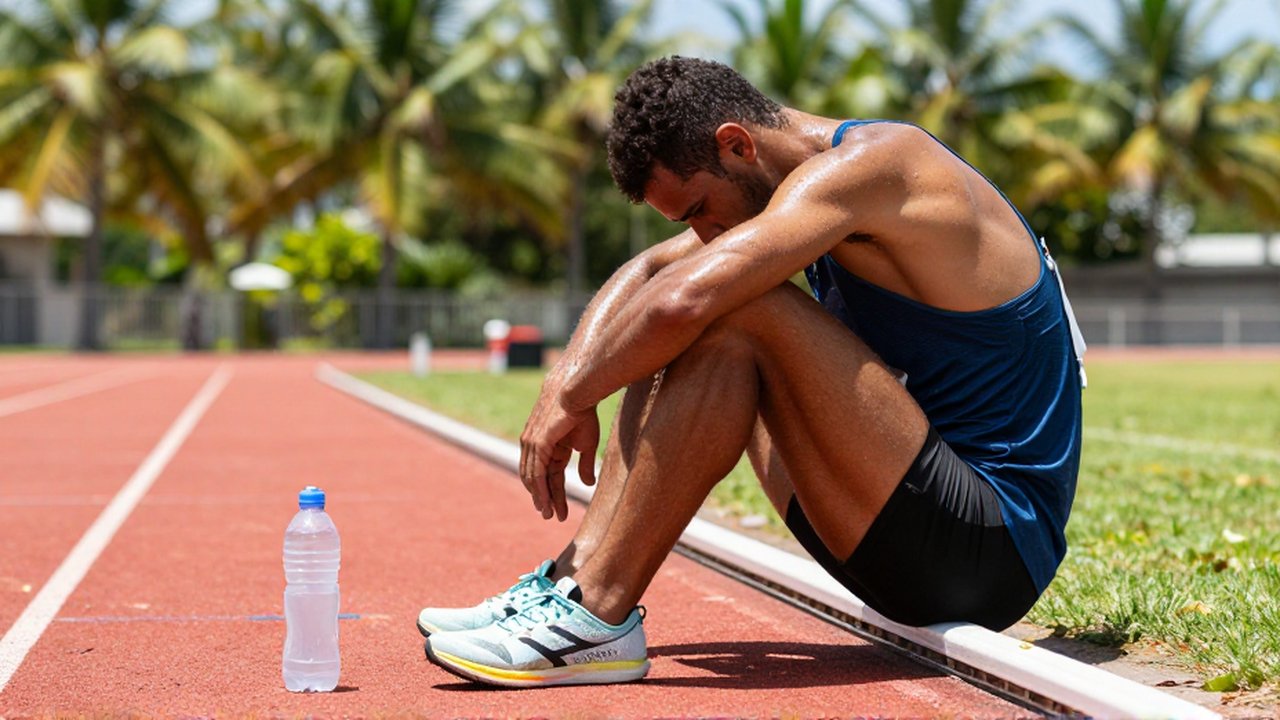
The cumulative effect of fluid loss is a measurable decline in several key performance indicators. While individual results vary based on environment and intensity, the following table summarizes common ways dehydration affects athletic output:
| Performance Area | Effect of Dehydration |
|---|---|
| Endurance | Significant reduction in time to exhaustion |
| Strength | Decreased muscular power and explosive capacity |
| Agility | Slower reaction times and reduced coordination |
| Recovery | Increased muscle soreness and slower metabolic repair |
Beyond these metrics, dehydration can influence the metabolic efficiency of the muscles. As electrolytes like sodium, potassium, and magnesium are lost through sweat, the electrical signaling required for muscle contractions can be disrupted. This often results in muscle cramping and a general sense of heaviness in the limbs, preventing the athlete from maintaining the desired tempo or intensity.
Strategies for maintaining hydration
Preventing the negative effects of dehydration requires a proactive approach rather than a reactive one. Professional athletes typically follow a structured hydration protocol that spans the pre-activity, intra-activity, and post-activity phases.
- Pre-hydration: Ensuring optimal fluid levels before the start of a session is vital. This involves consistent fluid intake in the hours leading up to competition to establish a baseline of hydration.
- During activity: Replacing fluids lost through sweat is necessary to mitigate the decline in blood volume. This often involves consuming liquids that contain electrolytes to assist with water absorption and maintain nerve function.
- Post-activity recovery: Rehydration must continue after the effort has ended. This phase focuses on restoring both fluid and electrolyte balance to facilitate muscle repair and metabolic recovery.
Athletes should also monitor indicators such as urine color and body weight changes to assess their hydration status. While these methods are useful, they are general guidelines and should be integrated into a broader, personalized training program.
Frequently asked questions
How much fluid loss is considered dangerous for an athlete? While specific thresholds vary, even a small percentage of body mass lost through sweat can begin to impair cognitive and physical performance. Significant weight loss during a session is a primary indicator of dehydration.
Why are electrolytes important during hydration? Electrolytes, such as sodium, help the body retain fluid and are essential for muscle contractions and nerve signaling. Drinking plain water in large quantities during intense sweating can sometimes dilute electrolyte levels too much.
Does temperature affect how quickly dehydration impacts performance? Yes. High humidity and high ambient temperatures accelerate fluid loss through sweating and make it harder for sweat to evaporate, significantly increasing the risk of rapid dehydration and overheating.
Can dehydration cause muscle cramps? Dehydration and the subsequent imbalance of electrolytes can contribute to muscle cramping, although cramps are often the result of a complex interaction between fatigue, muscle strain, and fluid loss.
Leave a Reply