What inspired the first professional baseball players in DR
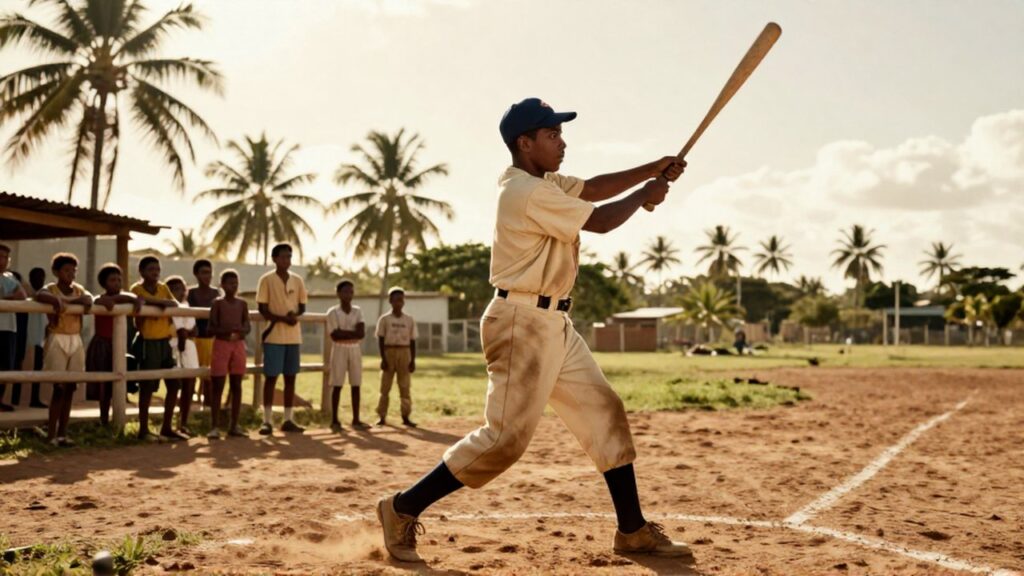
Introduction
The genesis of professional baseball in the Dominican Republic is a complex tapestry woven from cultural exchange, social aspiration, and the profound influence of external contact. Understanding what inspired the first pioneers of the sport requires exploring the intersection of American presence in the Caribbean and the local desire for social mobility and community identity. This historical context is essential for anyone seeking to understand why baseball transitioned from a casual pastime into the national heartbeat of the country.
The emergence of professional athletes in the Dominican Republic was not a sudden event but a gradual evolution driven by several converging factors. As the sport migrated from the United States to the island, it provided a unique platform for Dominicans to demonstrate talent and discipline. This transition from amateur play to professional ambition was fueled by the desire to prove excellence on a global stage and the economic opportunities that came with organized competition.
The Influence of American Presence and Cultural Exchange
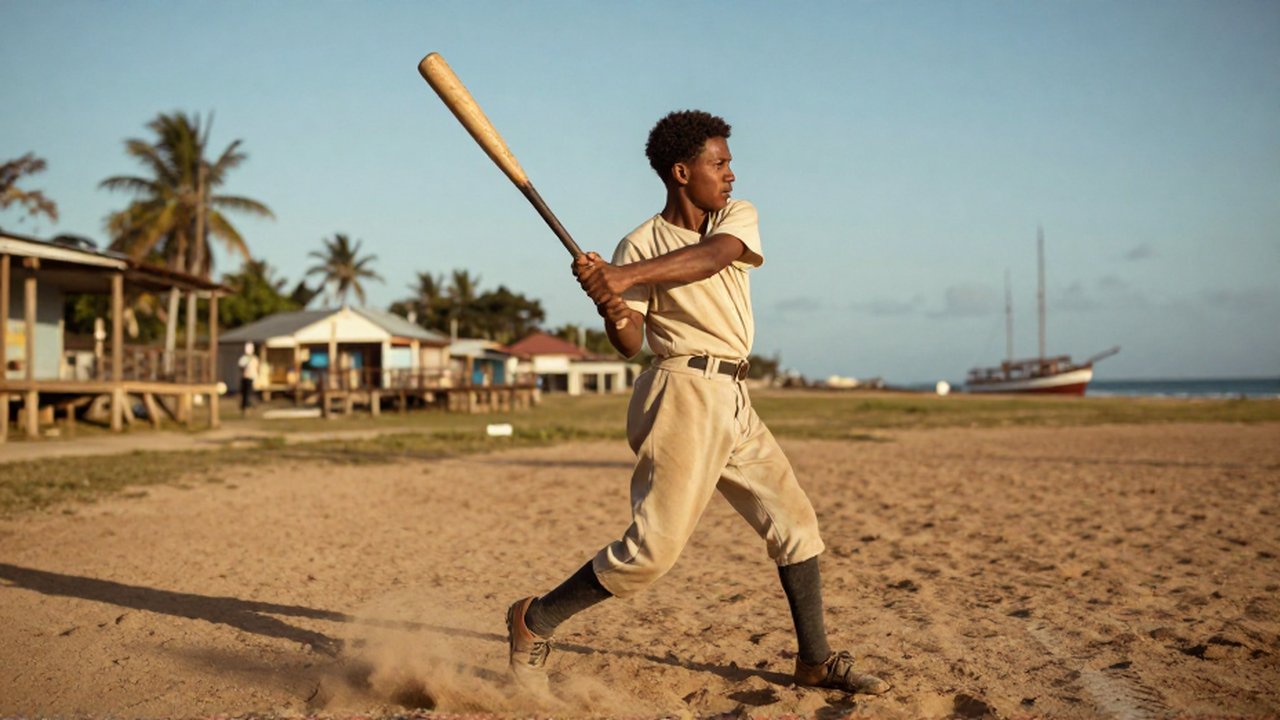
One of the most significant drivers behind the rise of baseball in the Dominican Republic was the physical presence of American influence during the early 20th century. The proximity of the United States and the various economic and political interactions between the two nations brought more than just trade; they brought the rules, equipment, and passion for "the national pastime."
As American teams and travelers visited the region, the game was introduced to local populations. However, it was not merely passive observation that inspired the first players. Instead, it was the observation of the structure and discipline of the game. Local enthusiasts saw baseball as a way to adopt a modern, structured activity that commanded international attention. The game became a bridge between different cultures, allowing Dominican players to find a common language through athletic competition.
Social Mobility and Economic Ambition
For many of the earliest Dominican players, the inspiration to turn professional was rooted in the promise of socioeconomic advancement. In an era where professional avenues were often limited by social class or geography, baseball emerged as a meritocratic field. On the diamond, talent and hard work were the primary currencies, offering a path to improve one's life and the lives of their families.
Professionalism meant more than just playing for pride; it meant the potential for organized employment and broader recognition. This economic reality transformed baseball from a neighborhood hobby into a lifelong pursuit. The drive to compete at the highest level was fueled by the realization that mastery of the sport could provide stability and prestige that other sectors of society could not guarantee.
National Identity and the Spirit of Competition
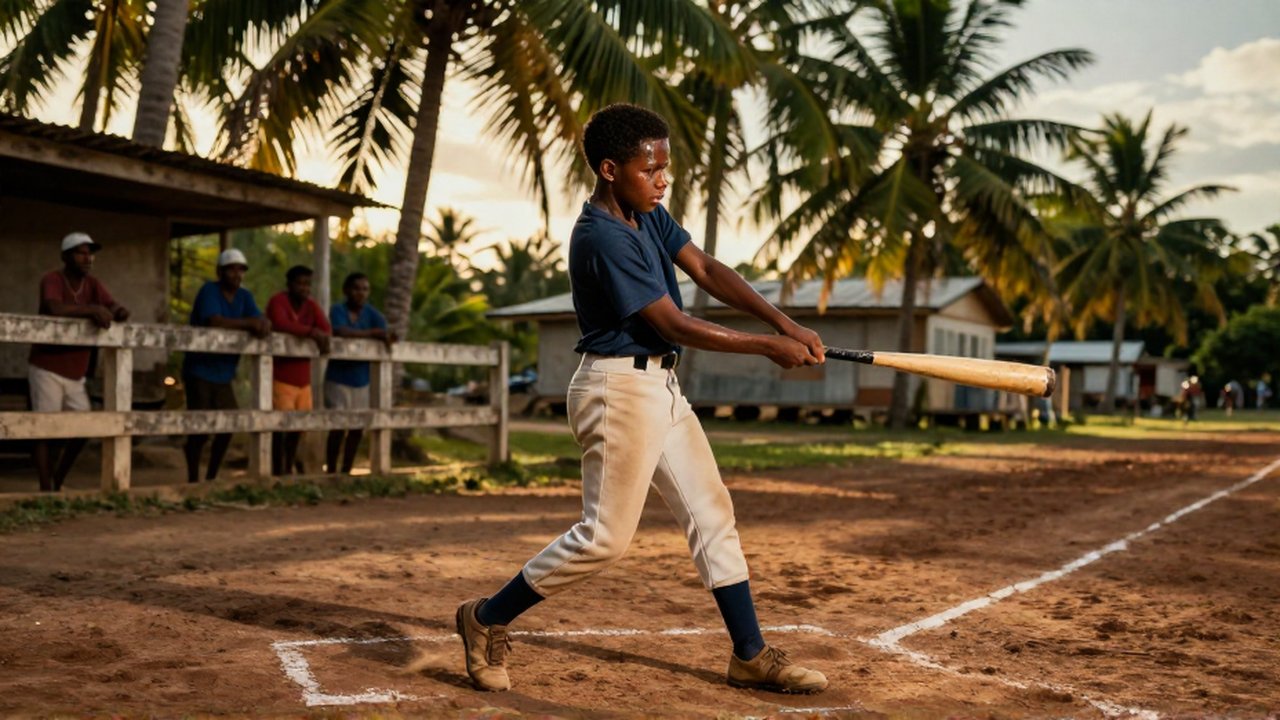
As the sport took root, it began to serve a much deeper purpose: the construction of a national identity. The inspiration for the first professional era was deeply tied to the desire to represent the Dominican Republic with distinction. Every home run and every shutout became a moment of collective pride for a nation looking to assert its presence on the world stage.
The competitive spirit was not just about individual glory, but about the collective triumph of the Dominican spirit. This sense of duty helped foster a rigorous training culture. Players were inspired to master the fundamentals not just to win games, but to prove that Dominican athletes could compete with—and often surpass—international standards. This cultural pride remains a cornerstone of the Dominican baseball identity today.
Key Factors in the Evolution of Dominican Baseball
To summarize the primary drivers that led to the professionalization of the sport in the country, we can look at these essential elements:
| Driver | Impact on Player Inspiration |
|---|---|
| Cultural Contact | Provided the technical framework and rules of the game. |
| Economic Opportunity | Offered a pathway for social and financial mobility. |
| Nationalism | Created a desire to represent the country through athletic excellence. |
| Meritocracy | Allowed talent to supersede social standing in the pursuit of the sport. |
Frequently Asked Questions
How did the game first arrive in the Dominican Republic? The game arrived primarily through contact with travelers and workers from the United States, as well as through the cultural exchange inherent in the Caribbean's proximity to North America.
Was baseball always a professional sport in the DR? No, it began as an amateur activity played in local communities before evolving into organized leagues and professional structures as the passion and economic potential grew.
What role did social status play in early baseball? While many social structures were rigid, baseball acted as a meritocratic space where skill and performance offered a rare opportunity for social mobility.
Why is baseball so deeply tied to Dominican identity? The sport became a way for the nation to showcase its talent and resilience on an international scale, turning athletic success into a source of collective national pride.
Leave a Reply