Why moisture-wicking fabric is important for workouts
Introduction
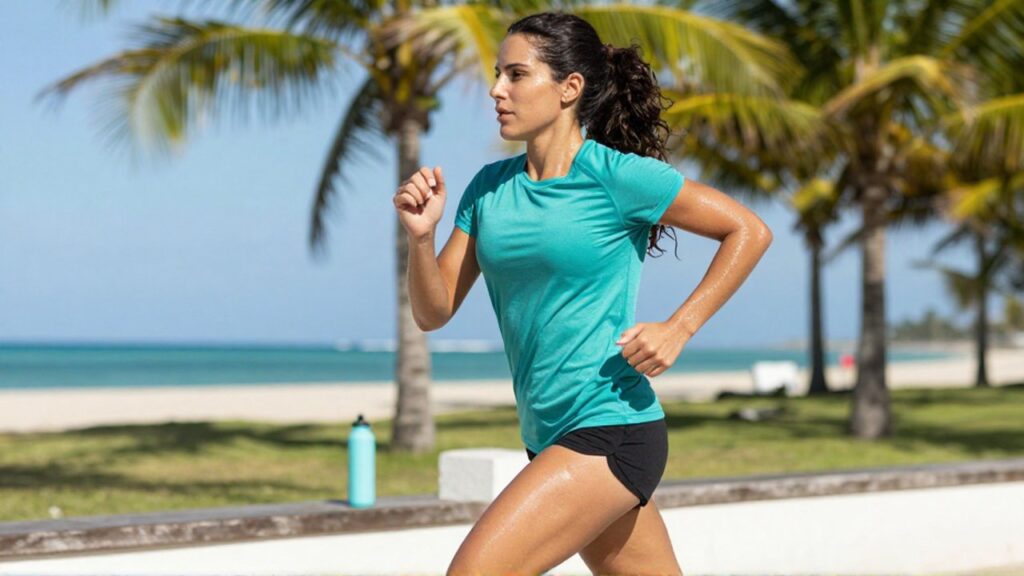
When you engage in intense physical activity, your body naturally produces sweat to regulate its internal temperature. While sweating is a vital biological process, the type of clothing you wear determines how effectively that moisture is managed. Moisture-wicking fabric is a specialized textile engineered to pull sweat away from your skin toward the outer surface of the garment, where it can evaporate quickly. This technology is essential for anyone performing high-intensity training, long-distance running, or any sport conducted in humid environments.
Using the right apparel is not just about comfort; it is about optimizing your performance and maintaining physical wellbeing. Traditional fabrics, such as 100% cotton, tend to absorb moisture and hold it against the body, becoming heavy and cold. In contrast, moisture-wicking materials facilitate a continuous drying process. This helps prevent the discomfort of damp clothing and ensures that your body can cool itself efficiently during and after your workout session.
Difference between moisture-wicking and cotton
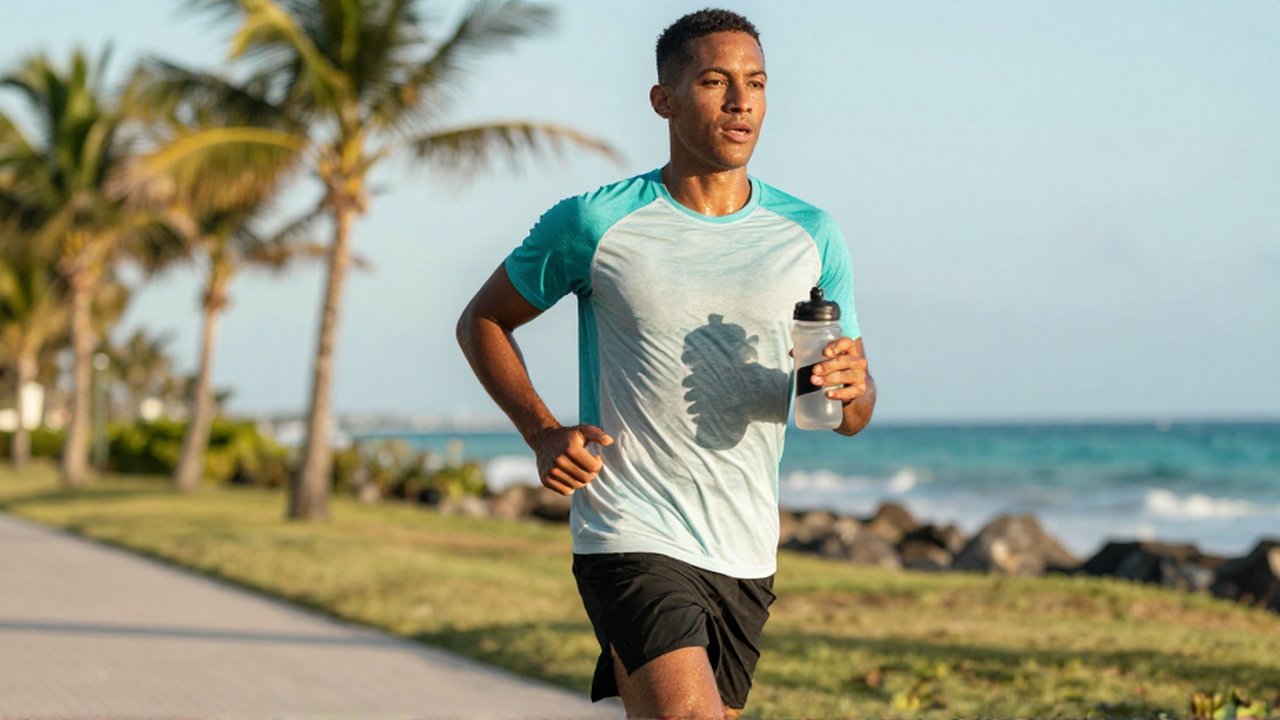
The primary distinction between performance fabrics and natural fibers like cotton lies in how they interact with water. Cotton is hydrophilic, meaning it loves water. When you sweat, cotton fibers soak up the moisture and retain it within the weave of the fabric. This results in clothing that feels heavy, clings to the skin, and takes a long time to dry. For a runner or an athlete, this can lead to increased friction and a sense of being weighed down.
Moisture-wicking fabrics, typically made from synthetic materials like polyester or nylon, are hydrophobic. Instead of absorbing the liquid, these fibers use a process called capillary action. The weave is designed to create tiny channels that transport sweat from the skin to the surface of the cloth. Once the sweat reaches the exterior, it spreads out over a larger surface area, which accelerates evaporation. This keeps the wearer feeling dry and lightweight, regardless of the intensity of the exercise.
Benefits of using technical apparel
Investing in moisture-wicking clothing offers several functional advantages that directly impact your training experience. Beyond the immediate feeling of dryness, these materials provide structural and thermal benefits.
- Temperature Regulation: By facilitating rapid evaporation, these fabrics help your body dissipate heat more effectively, preventing overheating during strenuous activities.
- Reduced Chafing: When clothing stays dry, it moves more freely against the skin. This reduces the risk of skin irritation and painful chafing caused by wet fabric rubbing against the body.
- Weight Management: Because the fabric does not soak up sweat, your clothes remain light. This is particularly important for endurance athletes, such as long-distance runners or cyclists, where every gram of weight matters.
- Enhanced Comfort: Maintaining a consistent microclimate around the skin helps prevent the "chilling effect," which occurs when sweat evaporates off cold, wet cotton during a break in activity.
How to choose the right workout gear
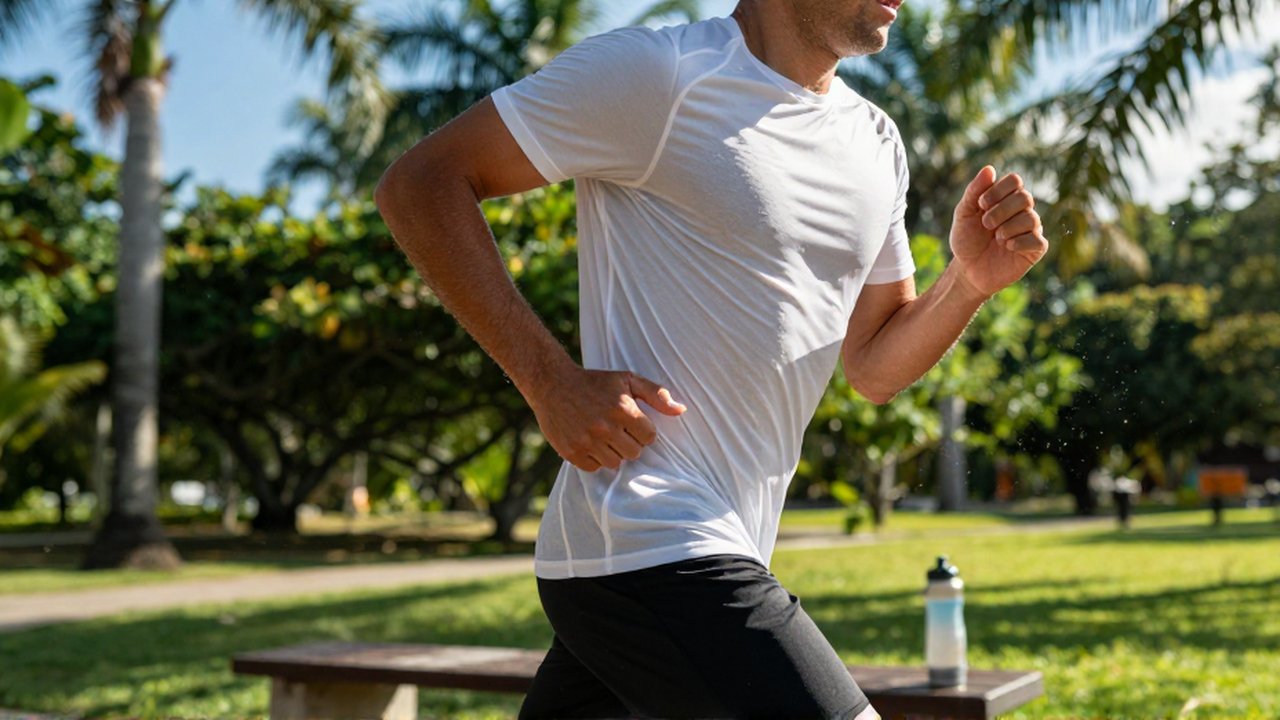
Selecting the best moisture-wicking gear requires looking beyond the label. Not all synthetic clothing performs equally, and the specific type of activity should dictate your choice.
| Activity Type | Recommended Fabric Weight | Key Feature to Look For |
|---|---|---|
| High-Intensity Interval Training (HIIT) | Lightweight | High breathability and stretch |
| Long-Distance Running | Lightweight | Minimal seams to prevent chafing |
| Weightlifting/Strength Training | Mid-weight | Durability and flexibility |
| Outdoor Training (Cold) | Layered/Synthetic | Thermal retention combined with wicking |
When shopping, check the garment construction. Look for seamless designs or flatlock stitching, which complement the benefits of the fabric by reducing friction. Additionally, consider the density of the knit; a more open knit allows for better airflow, which is vital in hot and humid climates.
Common mistakes when selecting workout clothing
One frequent mistake is assuming that "sweat-proof" and "moisture-wicking" mean the same thing. No fabric is truly waterproof; moisture-wicking is about movement and evaporation, not blocking moisture entirely. Another error is choosing clothing that is too tight. While compression gear is beneficial for some, if the fabric is so tight that it prevents airflow, the moisture-wicking process will be hindered, and heat will become trapped against the skin.
Finally, many people overlook the importance of fabric blends. While pure polyester is a standard for wicking, many modern high-performance garments use blends of nylon or elastane (spandex). These blends often provide a better balance of moisture transport, shape retention, and flexibility. Always prioritize functionality over aesthetic trends when selecting gear intended for serious athletic use.
Frequently asked questions
Can moisture-wicking clothes be washed with regular laundry? Yes, but it is best to avoid fabric softeners. Softeners can coat the synthetic fibers, filling the tiny channels meant for moisture transport and significantly reducing the fabric's effectiveness.
Does moisture-wicking fabric work for all types of exercise? Yes, it is beneficial for almost any activity involving perspiration, from yoga and weightlifting to competitive sports and outdoor running.
Will moisture-wicking clothes keep me warm in the winter? While they are excellent at managing sweat, they are primarily designed for temperature regulation through evaporation. In cold weather, you should use moisture-wicking layers as a base layer to keep sweat away from your skin, then add insulating layers to retain body heat.
How long does moisture-wicking clothing last? The lifespan depends on the quality of the fabric and how it is cared for. Frequent washing with harsh chemicals or high heat in a dryer can eventually break down the synthetic fibers and reduce their wicking capabilities.
Leave a Reply